
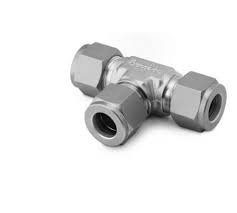
Union Tee Fittings in Piping Systems
Maintaining the integrity and flexibility of a piping network requires selecting the right hardware for every junction. Fittings serve as the backbone of these systems, ensuring that fluids or gases move safely without leaks. Among the different varieties available, tee fittings are important in flow distribution as they allow a single line to split into two separate routes. While normal tees are permanent, the union tee has a removable construction that is especially beneficial for systems that require regular maintenance. Industrial operators often turn to the SS 304 Union Tee to build corrosion-resistant systems that stand up to harsh environments. This blog explores the structural mechanics of union tees, the benefits of using stainless steel 304, and how these components improve pipeline maintenance. We will also cover engineering standards and installation practices to help professionals make informed choices for their fluid handling projects.
What Is a Union Tee Fitting?
A union tee is a three-way fitting that connects three pipes at a central junction and includes a union mechanism. Unlike a normal tee, which is screwed or welded straight into place, this fitting uses a main body, a union nut and precise sealing surfaces to form a secure joint. This design enables easy installation and removal without the need to rotate or disturb the surrounding pipes. In complex configurations, having the ability to remove a single part for inspection, or replacement saves hours of labour. These fittings offer a high level of versatility, often available in various configurations that meet specific flow requirements. Engineers use union tees to maintain systems flexible and accessible. This makes the union tee a vital upgrade above simple fittings in any industrial or commercial plumbing system.
Material Selection and Why SS 304 Is Widely Used
Choosing the right material determines how long a pipeline remains operational and safe. Stainless steel 304 is the most common choice for union tees because it offers an excellent balance of strength and chemical resistance. This alloy contains chromium and nickel, which provide a protective layer against rust and pollution. These features make it an ideal solution for food processing, water handling, and pharmaceutical applications requiring purity. Beyond cleanliness, SS 304 is strong enough to handle high pressures and temperatures without splitting or warping. Using an SS 304 Union Tee ensures long-term durability, even in damp, or acidic environments. It is a cost-effective solution that eliminates the need for periodic maintenance. For more severe chemical exposure, some professionals might choose an SS 316 tube fitting union tee that provides additional chloride resistance.
Design Features and Engineering Considerations
Engineering a reliable pipeline junction requires more than just picking a part off the shelf. To ensure a flawless fit with existing pipes, union tees must meet exacting dimensions and threading specifications. The interior design is intended to reduce flow resistance while maintaining a leak-proof seal under severe stress. Manufacturers test these fittings to ensure they can withstand pressure and temperature while meeting industrial safety regulations. Structural strength is also an important factor, as these fittings often sit at high-load connections that vibrate. Advanced sealing mechanisms, such as metal-to-metal seating or specialized gaskets, prevent costly leaks from forming over time. When choosing these components, ensure that they meet global manufacturing standards so that the hardware can endure the rigors of industrial use. Every curve and thread is designed to keep the system running at peak efficiency.
Functional Role in Pipeline Connections
Union tees play an important role in the modern fluid transport system, operating as both a connector and a service point.
- Facilitating branch connections and directional flow changes: These fittings provide branch connections and directional flow adjustments by allowing a single main line to feed in two distinct directions. This is required for supplying water, oil, or gas to different portions of a facility from a central location.
- Simplifying installation and disassembly: The union nut enables workers to disconnect the fitting without cutting the pipes. This feature is extremely useful when a system needs to be transferred or modified quickly.
- Reducing downtime during maintenance: As components can be changed within minutes, the full system need not be off for a long time. This speed maintains deadlines for production and reduces labor expenses.
- Supporting modular pipeline design: Using these fittings lets engineers build systems in sections. This modular approach makes it easier to expand the network in the future as the business grows.
Applications Across Industries
Many sectors rely on the unique benefits of union tees to keep their operations moving safely and efficiently every day.
- Oil & gas and petrochemical pipelines: These fittings handle high-pressure fluids and resist the corrosive nature of fuels. They provide a secure link that minimizes the risk of hazardous spills in refineries.
- Water treatment and distribution systems: Clean water remains pure when it passes through stainless steel fittings. Municipalities and treatment plants use them to control flow over large filters and pump networks.
- Food processing and pharmaceutical sectors: Hygiene is the most critical consideration in these plants. The smooth surfaces of SS 304 fittings prevent bacterial growth and make cleaning the lines considerably easier.
- HVAC and industrial fluid transport: Heating and cooling systems use union tees to route refrigerants or water to different zones. They are strong enough to withstand constant temperature swings throughout the year.
Installation and Maintenance Best Practices
Getting the most out of a union tee starts with the right installation process and continues with regular check-ups.
- Proper alignment and tightening procedures: Pipes must be straight before tightening the union nut to avoid stripping threads. Using the right tools prevents over-tightening, which can damage the internal sealing surfaces.
- Use of sealing materials or gaskets: Depending on the fluid, technicians use thread tape or gaskets to ensure a tight bond. Selecting the right sealant prevents micro-leaks that could lead to bigger issues.
- Routine inspection for wear or corrosion: Even the most significant materials require periodic visual inspections. Looking for signs such as pitting or loose nuts allows you to identify problems before it lead to a failure.
- Ensuring optimal service life: Keeping the area clean and protecting the fittings from physical impact extends their life. A little care during the first setup goes a long way in preventing future headaches.
Factors to Consider When Selecting Union Tee Fittings
Selecting the wrong fitting might result in system failure and costly repairs. First, confirm the pipe size and compatibility to ensure that the threads match the rest of your hardware. Pressure ratings are also essential, as the fitting must be able to withstand the maximum force that the system generates. The operating environment also influences material selection; while SS 304 is common, some operations require different grades for better heat or acid resistance. It is also essential to verify the supplier’s quality and certification. Reliable suppliers provide documents proving that their fittings comply with the required safety and performance standards. Taking the time to evaluate these elements ensures that the pipeline remains stable and leak-free for many years.
Importance of Proper Design and Material Choice
At Amco Metals, we understand that a pipeline’s integrity is determined by its weakest connection. The use of high-quality components, such as the SS 304 Union Tee, ensures the durability and adaptability required for the seamless operation of industrial systems. These fittings make it easier to do the most difficult maintenance tasks, enabling speedy repairs and system updates. By selecting the appropriate quality of stainless steel, one can preserve the infrastructure from corrosion and maintain a leak-free environment for years to come. Investing in well-designed union tees is a smart move for any professional looking to improve system efficiency and safety. Contact us today to discuss the project’s specifications, and let our team help you select the best fittings for your next installation.