
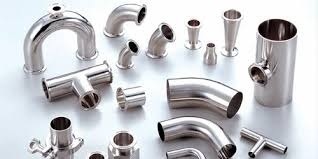
Material Selection for Sulfuric Acid Environments
Selecting the right materials for chemical processing is a high-stakes task. Sulfuric acid is one of the most prevalent and harmful compounds used in industrial settings. Choosing the wrong metal causes rapid thinning of pipe walls and sudden system failure. While ordinary stainless steel is a common material in many industries, it often falls short when acid concentrations change or temperatures rise. This is where specific alloys are required to ensure plant safety and uptime. Alloy 20 pipe fittings are an excellent example of a solution built to withstand these extreme circumstances without failing. This blog examines the performance of Alloy 20 with stainless steel in acidic environments. We’ll look at corrosion rates, mechanical constraints, and cost-effectiveness to help engineers make an informed decision about their pipe systems.
Understanding Sulfuric Acid Corrosion Challenges
Sulfuric acid behaves differently depending on its concentration and temperature. At low concentrations, it is highly ionizing and attacks many metals aggressively. At very high concentrations, it becomes an oxidizing acid, which changes how it interacts with protective oxide layers on steel. Temperature is a major catalyst; even a small increase can double the rate of metal loss. Aeration and the presence of contaminants like chlorides further complicate the environment. Fittings are particularly vulnerable because they experience turbulent flow and stress at the joints. If the material cannot handle these factors, the system risks leaks or catastrophic bursts. Using Alloy 20 has very good resistance to sulfuric acid because it was engineered to remain stable where other metals dissolve. Selecting a material that matches the specific acid profile is the only way to ensure long-term safety.
Overview of Alloy 20 and Stainless Steel Materials
Alloy 20 is a super austenitic stainless steel containing nickel, chromium, and molybdenum. The addition of copper is what actually defines it, offering a unique defense against sulfuric attack. Common stainless steels, such as Grade 304 or 316, are more adaptable but contain less alloy. Grade 304 is suitable for water and mild chemicals, whereas Grade 316 provides higher pitting resistance due to its molybdenum concentration. However, even standard classes often fail when acid levels rise above 20% to 30% at high temperatures. In contrast, Alloy 20 pipe fittings are commonly found in pharmaceutical, culinary, and chemical industries where harsh acids are used daily. While stainless steel is more commonly accessible for ordinary applications, Alloy 20 is the preferred material for specialized acid-handling equipment.
Corrosion Resistance Comparison in Sulfuric Acid
The gap between these materials becomes clear during continuous exposure to hot sulfuric acid. Standard stainless steel often suffers from localized corrosion, such as pitting or stress corrosion cracking. These issues can stay hidden until a pipe fails under pressure. Alloy 20 has very good resistance to sulfuric acid across a wide range of concentrations, from 20% to 90%. It creates a robust barrier that prevents the acid from eating into the grain boundaries of the metal. This makes it far more reliable for systems that run 24/7. While 316 stainless steel might last for a short time in diluted, cold acid, it cannot match the long-term durability of Alloy 20. Investing in the right alloy from the start reduces the need for frequent thickness testing and early replacements.
Mechanical Strength and Temperature Performance
Performance in a lab is one thing, but industrial piping must withstand physical stress. Both Alloy 20 and stainless steel offer excellent mechanical strength and can handle high-pressure environments. However, Alloy 20 maintains its structural integrity better when heat is added to the equation. High temperatures usually accelerate chemical reactions, making the acid more ideal for metal. Alloy 20 stays tough and resists the scaling or softening that can happen to lesser materials. This strength ensures that the Alloy 20 Pipe fittings stay leak-free even as the system cycles through different thermal loads. Whether the application involves heating coils or mixing tanks, the mechanical reliability of the material must be as strong as its chemical resistance to prevent structural warping.
Fabrication, Installation, and Cost Considerations
Working with these materials requires different approaches in the shop. Stainless steel is famous for being easy to weld and machine, which keeps labor costs down. Alloy 20 is also weldable, but it requires careful heat control to avoid cracking in the weld zone. Sourcing is another factor; 316 stainless steel is found in almost every hardware catalogue. Alloy 20 pipe fittings are more specialized and carry a higher initial price tag. However, looking only at the purchase price is a mistake. If a stainless steel fitting fails every two years, the cost of labor, downtime, and lost product far exceeds the price of a more expensive alloy. Choosing Alloy 20 often results in a lower total cost over the life of the plant because it simply lasts longer.
Typical Industrial Applications and Case-Based Usage
In many chemical processing plants, the choice depends on where the fitting sits in the line. Stainless steel might suffice for wash-down stations or very diluted transfer lines. However, in fertilizer production or petrochemical refining, the acid is often concentrated and hot. These industries rely on Alloy 20 pipe fittings for their storage tanks, heat exchangers, and pickling tanks. Acid transfer pipelines, especially those outdoors where temperatures fluctuate, also benefit from the stability of Alloy 20. If the process involves mixing acid with water—a reaction that creates intense heat—standard steel is likely to fail rapidly. In those critical zones, specialized alloys are the industry standard for preventing environmental contamination and protecting workers.
Decision-Making Factors When Choosing Between the Two
The first step in choosing a material is a thorough evaluation of the environment. One must know the exact acid concentration, the maximum temperature, and the flow rate. If the budget is tight, it is tempting to pick the cheaper metal, but safety regulations often dictate the minimum requirements. Regulatory compliance in many regions requires materials that can withstand the harshest possible failure scenario. Consulting with a supplier who understands the chemistry of the process is vital. They can provide data on metal loss rates per year. If the data shows that Alloy 20 has very good resistance to sulfuric acid in your specific setup, it is the logical choice. Balancing performance expectations with long-term maintenance goals will lead to the best engineering decision.
Determining the Better Performer for Sulfuric Acid Service
At Amco Metals, we see firsthand how the right material choice saves companies from expensive disasters. While stainless steel is a great general-purpose metal, it cannot compete with Alloy 20 in heavy acid service. The comparison shows that Alloy 20 has very good resistance to sulfuric acid, offering better safety and a longer lifespan. Using Alloy 20 pipe fittings ensures that your infrastructure stays solid even in the most demanding chemical environments. Making the switch to specialized alloys reduces maintenance headaches and keeps your operations running smoothly. For high-quality components that you can trust, we are here to help. Contact us today to discuss your project requirements and get a technical quote for your piping needs.