
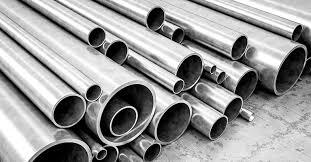
Duplex Stainless Steel in Modern Engineering
Modern industrial projects confront more stringent requirements than ever. Standard austenitic, or ferritic steels often fall short, when applications require exceptional strength and heavy-duty protection. Engineers regularly deal with the limitations of traditional materials, where picking one benefit often means sacrificing another. Duplex steel pipes solve this issue by providing a balanced solution. These materials combine the most outstanding features of two distinct steel families into one strong product. The secret is in the interior grain structure, which determines how the metal operates under pressure, or in salt water. This blog explores into how its unique internal composition increases mechanical strength, and makes it an effective option for demanding situations. We will look at the metallurgy, strength characteristics, and why these pipes are becoming the standard in heavy industries.
Understanding Duplex Stainless Steel Composition and Structure
Duplex stainless steel is defined by its two-phase internal structure. It consists of up of a balanced mix of ferrite and austenite phases, often 50/50. This balance is the primary reason Duplex Steel Pipes outperform single-phase steels. Chromium is present in high concentrations to help with corrosion resistance. Nickel helps to stabilize the austenite phase. Molybdenum increases resistance to pitting in severe media. Nitrogen strengthens the steel and contributes to phase equilibrium during processing. Together, these alloying elements provide a stable structure that is resistant to distortion throughout service. The chemical composition determines how phases develop, and remain stable during heat treatment. This controlled composition enables duplex stainless steel to retain strength and corrosion resistance under harsh operating circumstances.
Microstructure Formation and Metallurgical Characteristics
The microstructure of duplex stainless steel forms during solidification and is refined through controlled heat treatment. Proper cooling rates ensure that ferrite and austenite remain evenly distributed. Grain structure plays a direct role in how stress is absorbed and spread through the pipe wall. Fine, well-distributed grains improve toughness and reduce crack growth. Processing steps such as solution annealing help restore phase balance after forming or welding. Controlled cooling prevents the formation of harmful secondary phases. These metallurgical procedures prevent cracking and long-term deformation in Duplex Steel Pipes. The strong microstructure also reduces internal stress buildup. This balance enables the material to perform consistently under pressure, vibration, and repetitive load cycles found in industrial applications.
Strength Advantages of Duplex Stainless Steel Pipes
One of the primary reasons engineers make the switch is the significant increase in physical capability. These pipes offer significantly higher yield strength than standard stainless steel choices. This means they can handle significantly more pressure before they start to bend or break. They have good tensile strength and stand up well to fatigue over long periods of use. Because the material is so strong, designers can actually use thinner pipe walls without losing safety. This reduces the total weight of a structure and saves on material costs. Whether used in high-pressure subsea lines or tall architectural supports, the strength-to-weight ratio is a major win. It provides peace of mind in load-bearing applications where structural integrity is non-negotiable and failure is not an option for the operation.
Corrosion Resistance Linked to Microstructure
Corrosion can slowly ruin industrial pipes, but duplex grades are designed to withstand it. Their two-phase structure reduces stress corrosion cracking, which is often used in hot and salty environments. They operate effectively in chloride-rich environments, such as coastal regions and chemical manufacturing plants. The use of molybdenum and nitrogen protects the pipe from pitting, and crevice corrosion, which are microscopic holes that might damage the pipe over time. As duplex steel has a solid and balanced structure, chemicals find it difficult to initiate the rusting process. This is why duplex pipes are commonly used on offshore oil rigs and desalination plants, where the water is extremely harsh, and the equipment must last for many years.
Thermal and Mechanical Performance Benefits
In addition to maintaining strength, these pipes effortlessly withstand physical stress. They possess elevated fracture toughness, indicating their capacity to absorb energy and withstand breakage while being cut, or scratched. This is paired with impressive flexibility for a metal that is so rigid. Another technical advantage is that they have low thermal expansion compared to common austenitic steels. When temperatures rise and fall, the pipes don’t grow or shrink as much, which puts less stress on joints and welds. They also maintain excellent impact strength in cold conditions. This stability across wide temperature ranges ensures that the piping system stays durable during cyclic stress. Whether the system is freezing or heating up, the mechanical performance remains predictable and safe, reducing the risk of sudden leaks or structural shifts over time.
Industrial Applications of Duplex Steel Pipes
Duplex Steel Pipes are used in these pipes in the most demanding spots on earth. In the oil and gas sector, they transport sour crude and gas through high-pressure subsea lines. Marine industries rely on them for desalination plants where salt water would destroy lesser metals in months. Chemical processing plants use them to move corrosive acids and compounds safely. Even in the construction sector, their strength makes them ideal for bridges and large glass-walled buildings. The reason they are preferred is simple: the microstructure-driven strength allows for a longer service life with less maintenance. When a project requires a material that won’t quit, these pipes are usually the first choice. They offer a level of reliability that keeps operations moving without the constant fear of material failure or expensive mid-process repairs.
Key Considerations in Selection and Usage
Choosing the right grade is only half the battle; proper handling is the other half. Welding these pipes requires a specific touch. If the heat isn’t managed correctly, the 50/50 phase balance can get knocked out of alignment, which weakens the metal. Fabrication must follow strict quality standards to ensure the corrosion protection stays intact. While the initial cost might be higher than basic carbon steel, the lifecycle benefits usually outweigh the price tag. You save money on repairs, replacements, and downtime over twenty or thirty years. It is about matching the specific grade to the actual operational conditions of the job. Professionals always look at the full picture, from the chemicals involved to the physical pressure the system will endure, to ensure the best performance for the long haul.
Why Microstructure Matters in Pipe Performance
At Amco Metals, we know that the right materials keep your business safe and profitable. Duplex Steel Pipes are a superior choice because their microstructure provides a perfect mix of strength and protection. They provide better corrosion resistance and low thermal expansion, making them ideal for the toughest jobs. With their high fracture toughness and the fact that the dual-phase design enhances its mechanical strength, these pipes offer a level of reliability that standard steels cannot touch. Investing in quality components reduces maintenance and keeps your systems running. For high-quality components that you can trust, we are here to help. Contact us today to discuss your project requirements and get a technical quote for your piping needs.